Entrepreneur
Seven ventures. Every one taught me something.
I started building businesses long before I knew what a business plan was. Some succeeded, some failed, and a few taught me more by closing than they ever could have by staying open. Here is the full story, from my first online store to the AI company I'm building today.
The timeline
From high school to today, in the order it happened.
-
01 · The early days
Drop Shipping
FailedMy first venture was an online drop-shipping store. I had products and a storefront, but I knew almost nothing about running paid ads, and without traffic the store never got off the ground. It failed fast, and it taught me my first real business lesson: a good product means nothing if you can't reach the right customer.
-
02 · 2021
Custom Hub
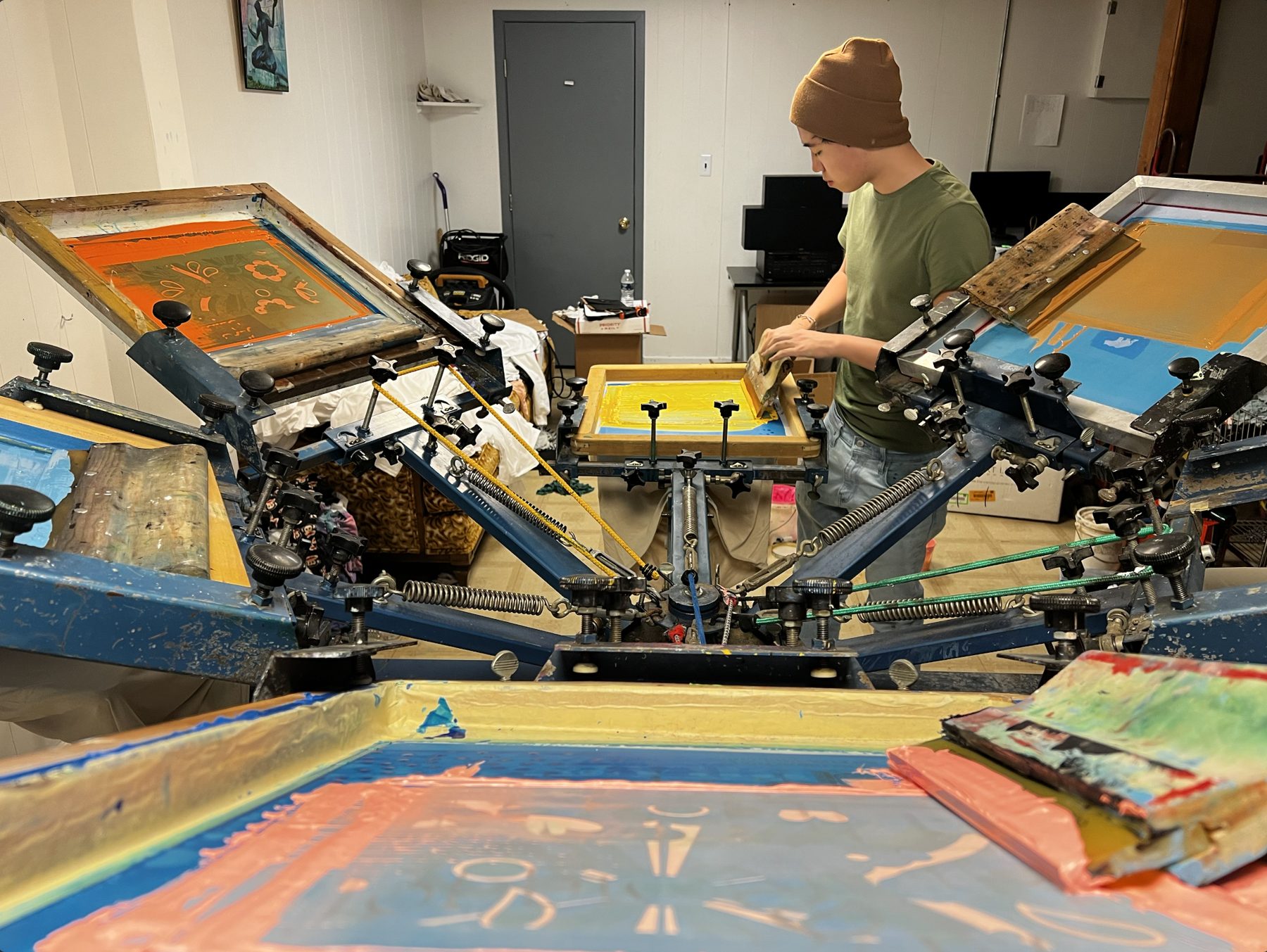
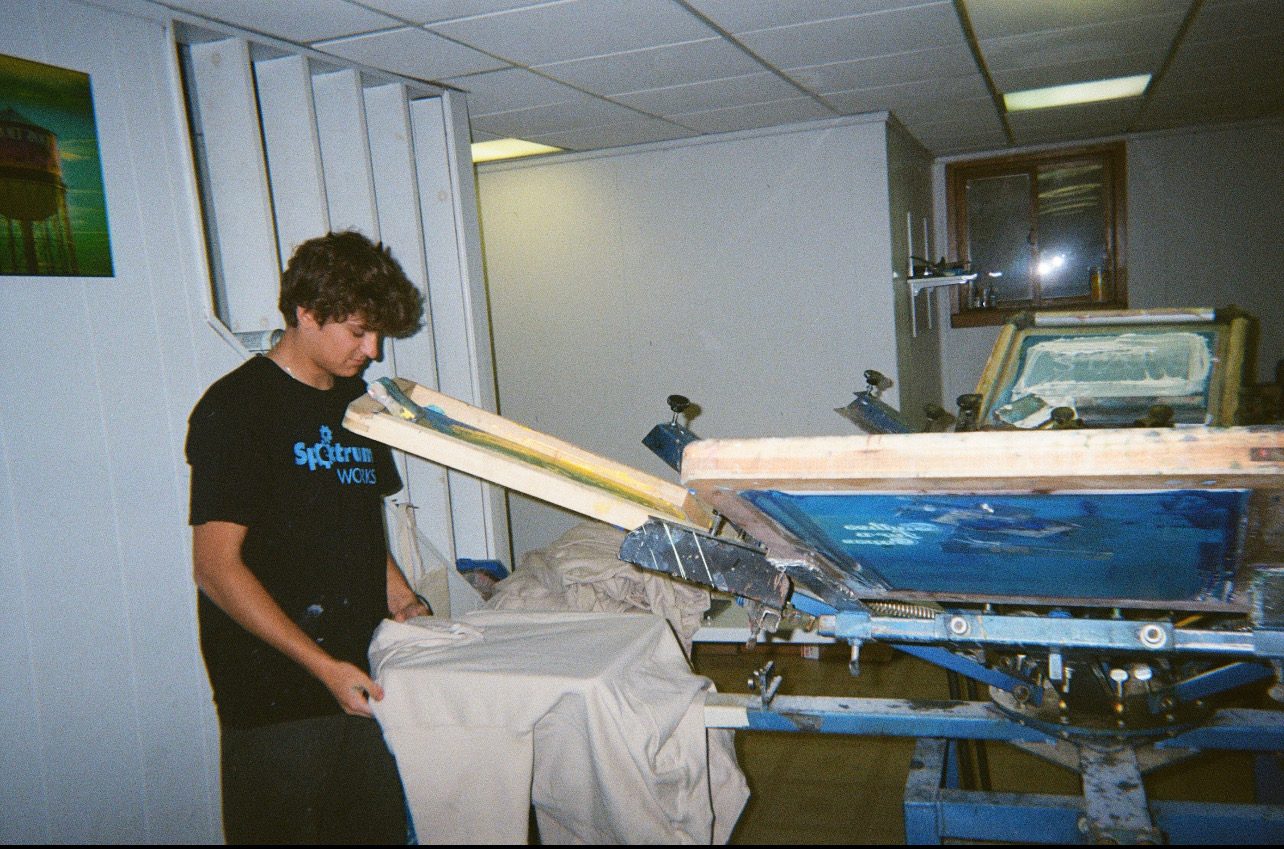
ClosedIn high school I launched Custom Hub, a custom apparel and screen-printing business. We designed and printed shirts for school sports teams, student clubs, and local businesses, handling everything from the first mockup to the final delivery. It was my first experience with real customers, real deadlines, and real revenue, and it showed me that people buy from people they know and trust.
-
03 · 2021
Clothes for a Cause
NonprofitAround the same time as Custom Hub, I started Clothes for a Cause, a nonprofit apparel brand built on a simple promise: every sale came with a clothing donation to someone in need. It taught me how a clear mission can turn a product into something people want to be part of.
-
04 · 2023
MVMNT App
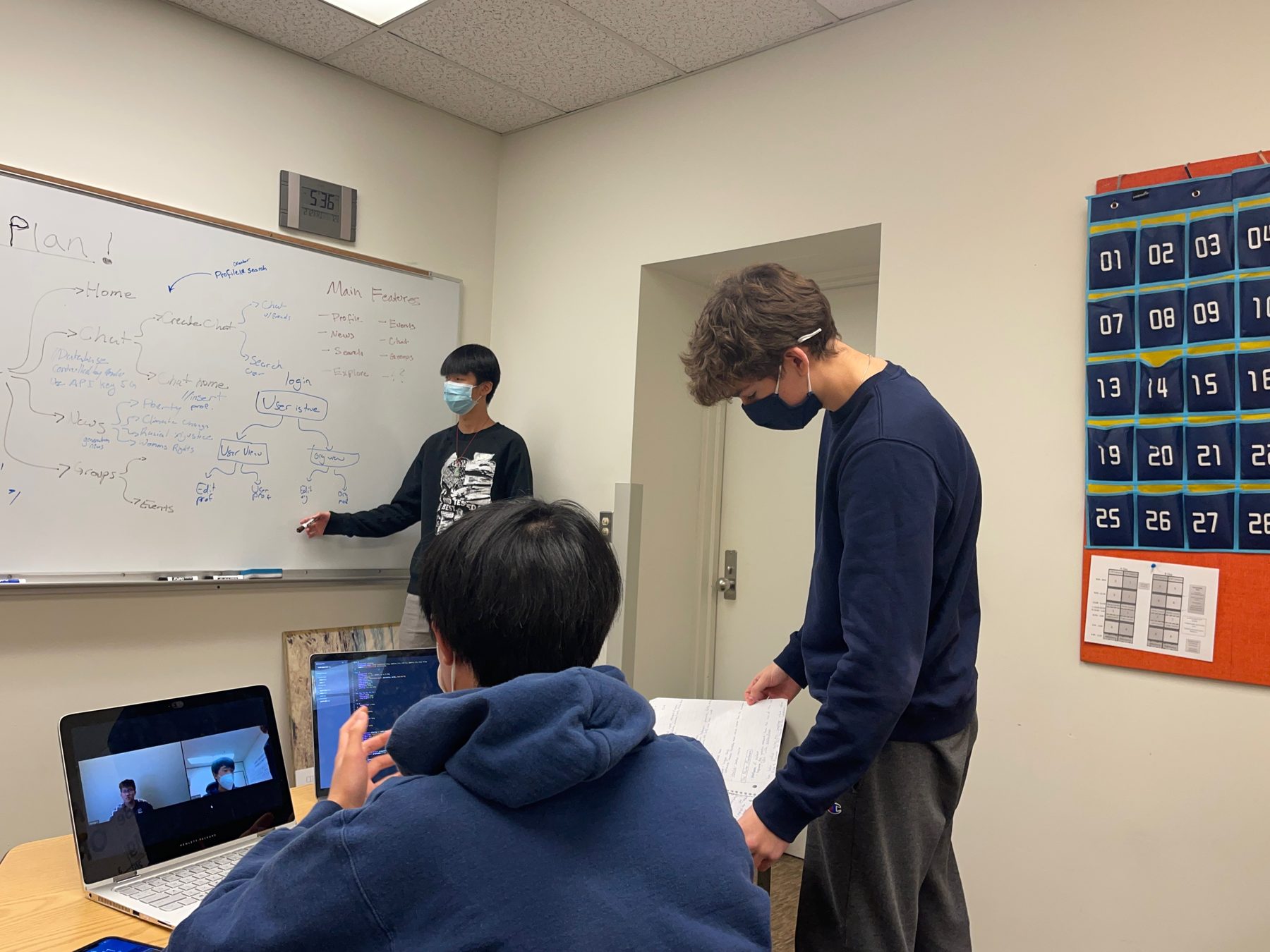
1st place, global competitionI co-founded MVMNT, a mobile app that puts sustainable living in one place. Users can discover eco-friendly businesses, connect with local environmental organizations, and shop sustainable products, all from a single app. Our team took first place in a global entrepreneurship competition, and our story was covered by WXYZ Detroit.
-
05 · 2022

Junior Distribution
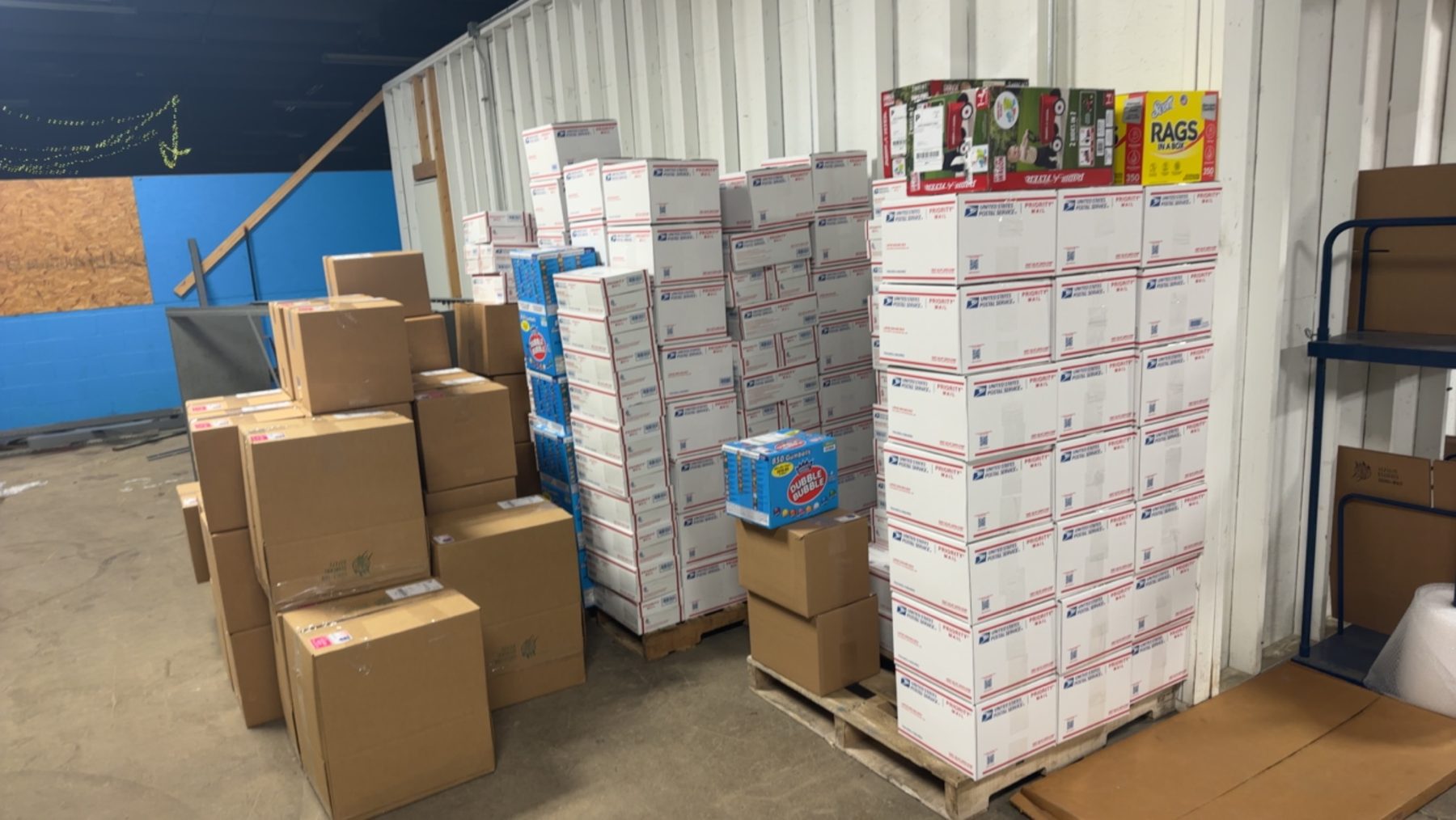
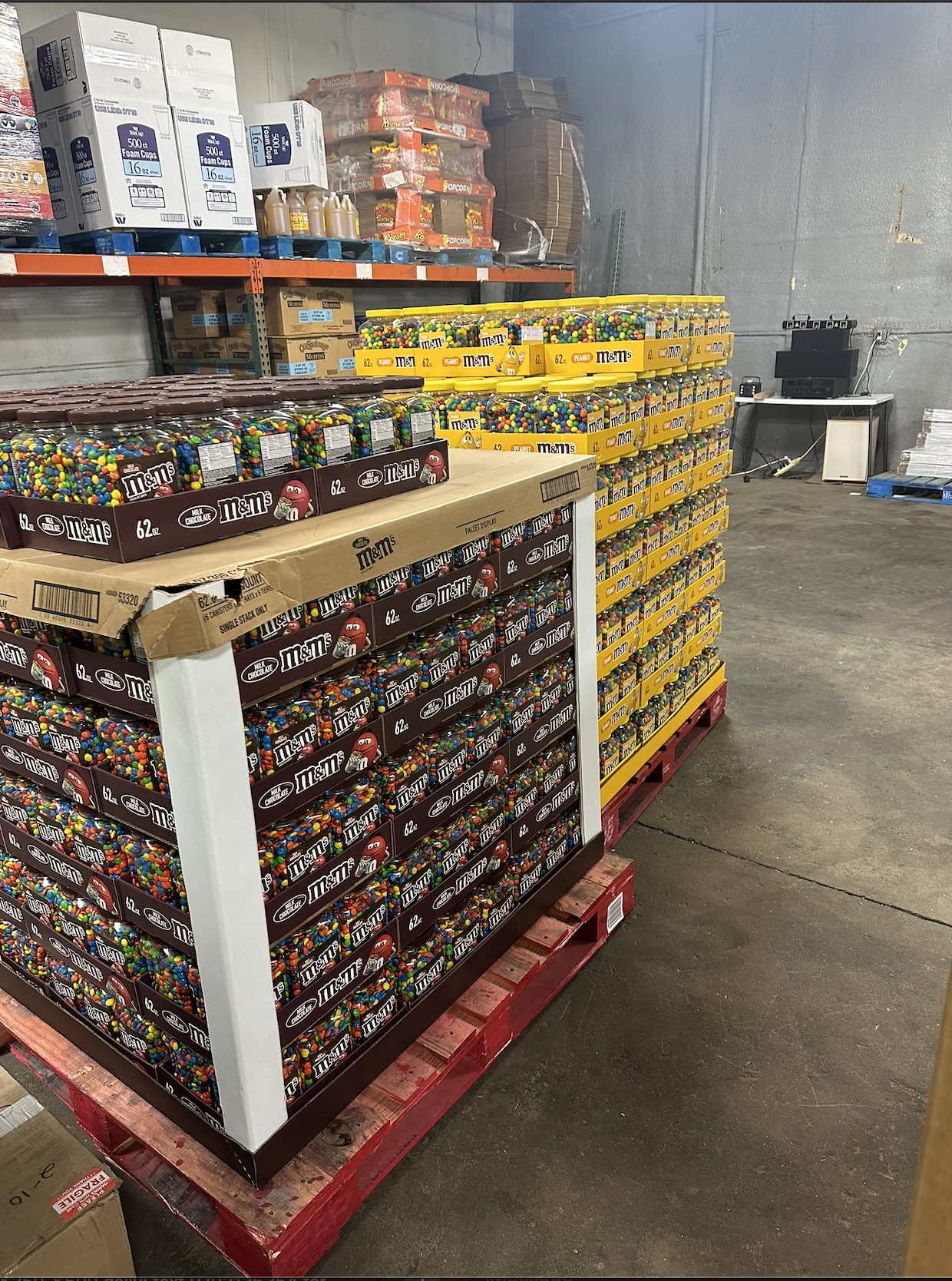
ClosedJunior Distribution was an Amazon wholesale company: we sourced products in bulk and resold them on Amazon. The business grew to more than $300,000 in sales, but the margins were too slim to support hiring employees, and I was leaving for college. I made the call to shut it down. It was a hard lesson in the difference between revenue and profit.
-
06 · 2025
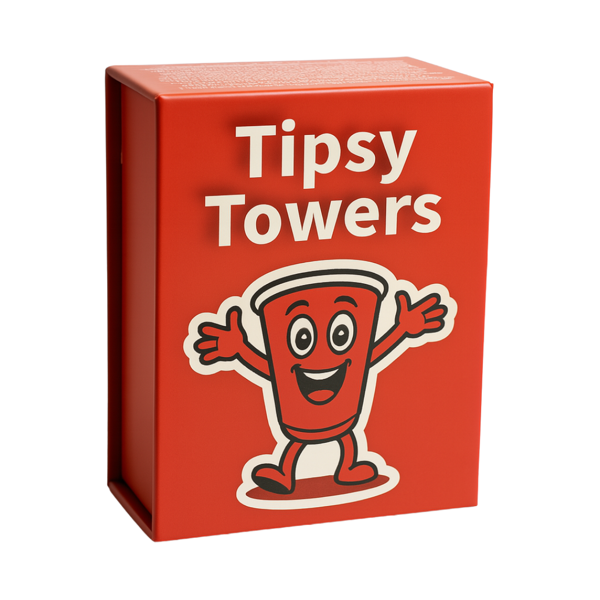
Tipsy Towers
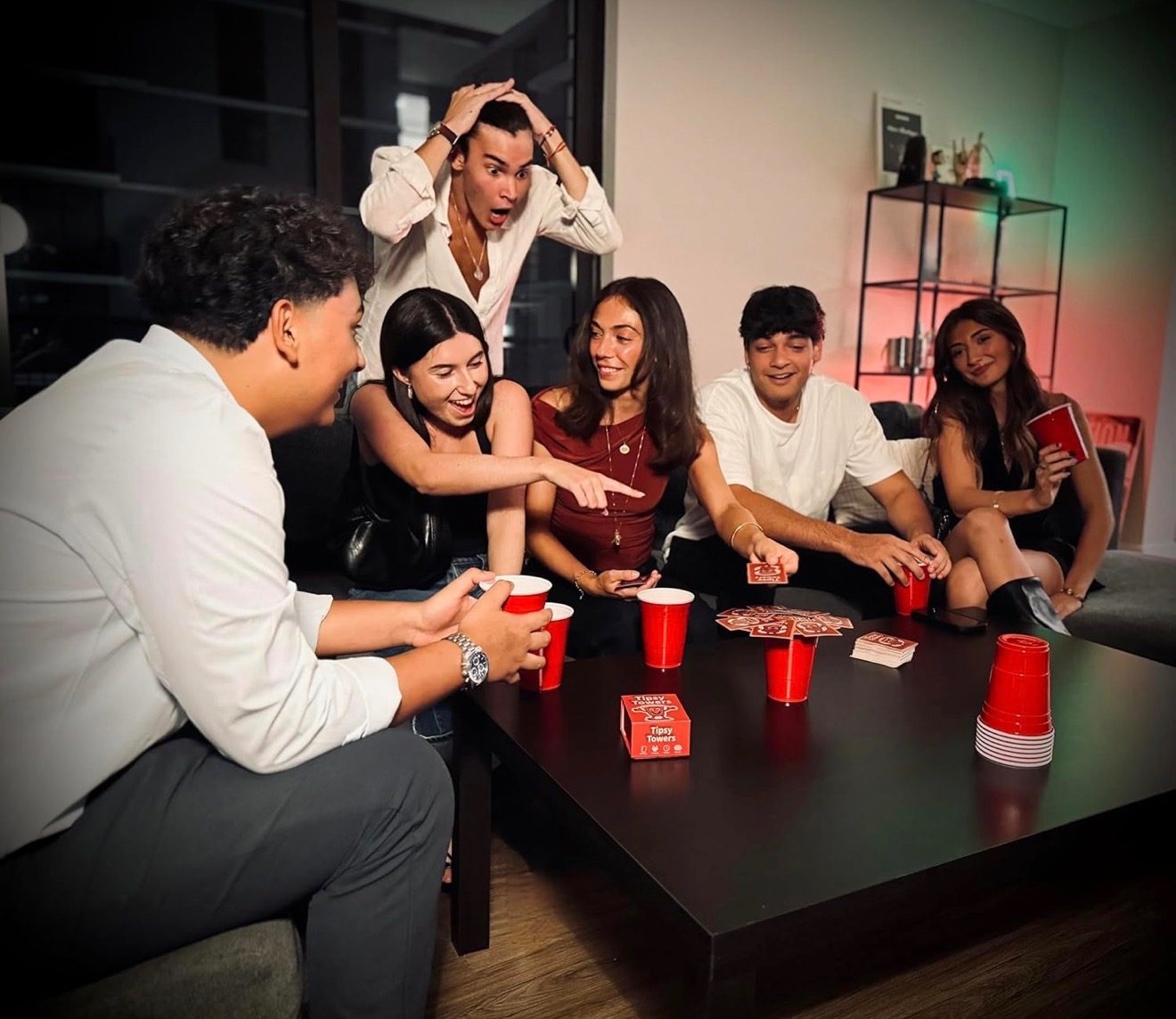
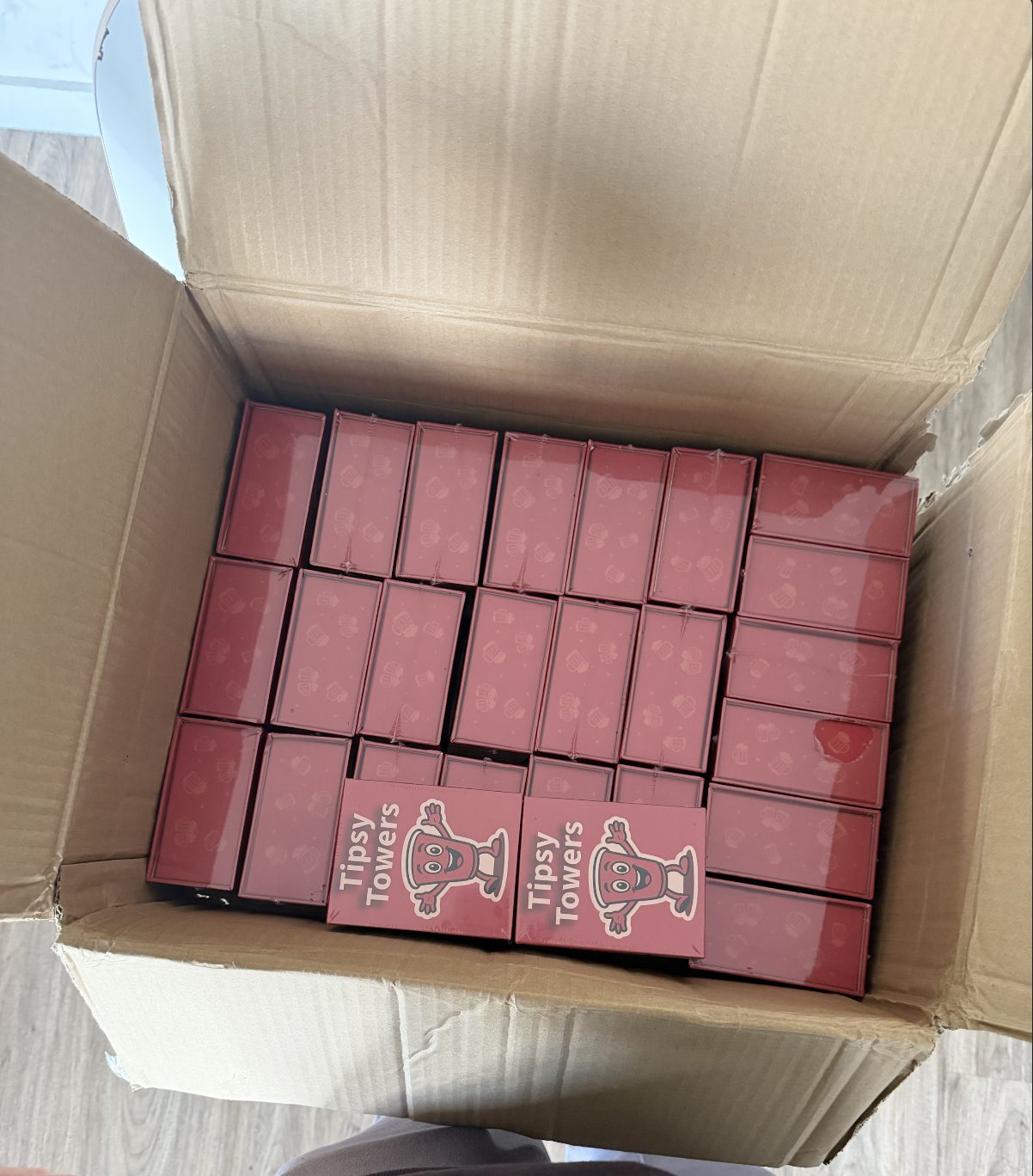
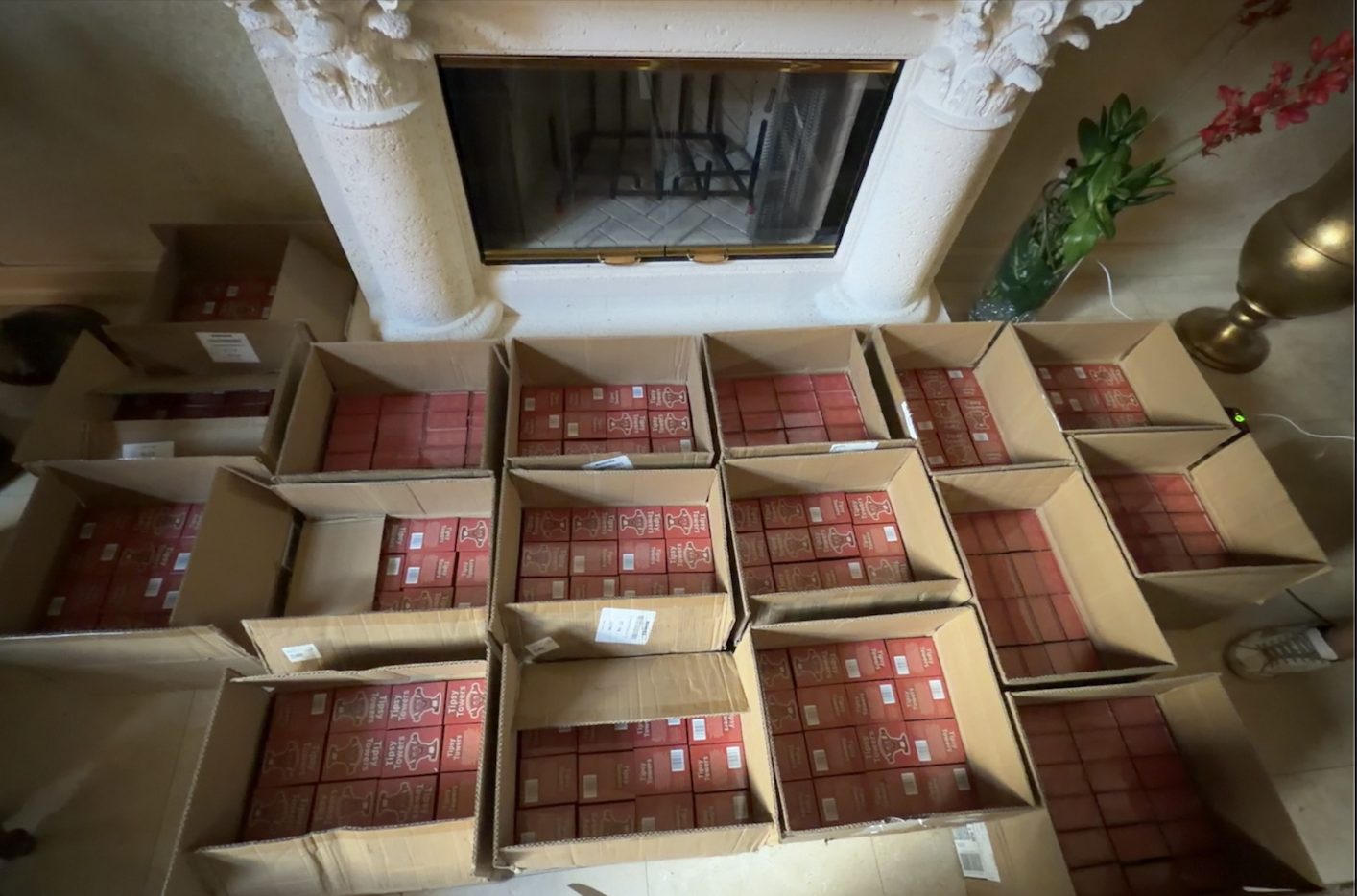
ClosedIn college I co-founded Tipsy Towers, a party drinking game that was stocked in more than 100 fulfillment centers across the country. When a copyright dispute came up, we ran the numbers and decided that fighting it didn't make financial sense, so we chose to close the business on our own terms.
-
07 · 2026 – Now
Artemin AI
In developmentToday I'm co-founding Artemin AI, software that uses artificial intelligence to help manufacturers source components and parts and reduce what they pay for them. The product is currently in development, and it draws on everything the ventures before it taught me: sourcing, margins, customers, and knowing exactly who we're building for.
What it all added up to
Every failure taught me something I still use.
Not every venture worked out, and I'm proud of that. Each one that ended left me with a lesson I carried straight into the next, and together they've made me a sharper founder, a better teammate, and a more careful decision-maker.
From drop shipping
Learn the channel before you launch
Marketing isn't an afterthought. I now plan how customers will find a product before I build it.
From Custom Hub
Relationships drive revenue
Our best orders came from people who knew and trusted us. Showing up and delivering is the best marketing there is.
From Clothes for a Cause and MVMNT
Purpose builds loyalty
When people believe in why you exist, they become your biggest promoters.
From Junior Distribution
Revenue isn't profit
$300K in sales didn't matter if the margins couldn't pay a team. I look at unit economics first now.
From Tipsy Towers
Protect what you build
Intellectual property deserves attention on day one, not after a product is already on shelves.
From all of them
Knowing when to stop is a skill
Closing a business with clear eyes frees up time and energy for the next, better idea.
Behind the scenes